


What you need to know about buying flood insurance
The National Flood Insurance Program (NFIP) offers flood protection for homeowners, renters and businesses.
The time to prepare for a flood is now, policies take 30 days to go into effect.

Flood insurance coverage and rates
-
Most homeowners and renters insurance does not cover flood damage.
-
The NFIP has coverage options to protect your home, belongings or business from floods.
-
Policy rates are unique to your location and needs. And, your NFIP flood insurance rates won’t vary by insurance provider, who sells through the program. Flood insurance costs through non-NFIP providers can differ.
What does flood insurance cover?
Your NFIP flood insurance policy covers direct physical flood damage to your home and your belongings. Building and contents coverage are typically purchased separately and have separate deductibles.
The following is a general overview of items covered by your flood insurance policy, if you have questions about what’s covered download a copy of the Summary of Coverage or contact your agent.
Building coverage
Covers physical damage to the insured structure:
- Electrical and plumbing systems.
- Furnaces and water heaters.
- Refrigerators, stoves and built-in appliances like dishwashers.
- Permanently installed carpeting.
- Permanently installed cabinets, paneling and bookcases.
- Window blinds.
- Foundation walls, anchorage systems and staircases.
- Detached garages.
- Fuel tanks, well water tanks and pumps and solar energy equipment.
Contents coverage
Covers physical damage to the personal property inside the building:
- Clothing, furniture and electronic equipment.
- Curtains.
- Clothes washer and dryer.
- Portable and window air conditioners.
- Microwave.
- Carpet installed over wood floors.
- Valuable items such as original artwork and furs (up to $2,500)
- Merchandise and raw materials held in storage or for sale, if you’re a business owner.
NFIP flood insurance policy rates
Your flood insurance premium is unique to your property and is based on several factors including the location of your property, how it is built and what coverage amounts you purchase.
Your premium is completely unique to your home—which means if you live in a community with low flood risk, you could pay less than someone who lives in a high-risk area.
The NFIP partners with over 48 insurance companies and thousands of independent agents, all of whom use our pricing approach, so you don't have to shop around because rates are the same.
Tips for buying flood insurance
-
Get an NFIP policy online
Image
Get a flood insurance quote and buy directly online using our policy tool.
-
Understand your premium
Image
Read about the factors that determine your flood insurance premium and the different sections on your declarations page.
-
Estimate your available discounts
Image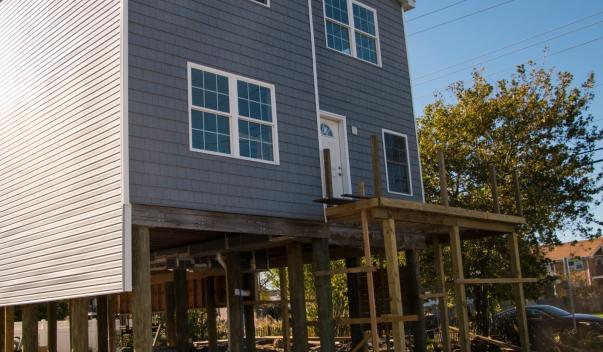
You can modify your property to protect it against flood damage and lower your flood insurance premium.


FAQs about flood insurance policies
Most homeowners and renters insurance do not cover flood damage. Only a flood insurance policy will help you recover after a flood.
The cause of flooding matters when determining coverage. For example, your policy would cover water damage to your home from a sewer that backed up during a heavy rainstorm. It would not cover damage from a sewer backup caused by clogged pipes.
There are a handful of items and expenses your policy doesn't protect, no matter the cause of flooding. They include:
- Currency, precious metals, stock certificates and other valuable papers
- Cars and most self-propelled vehicles, including their parts
- Personal property kept in basements
- Property outside of an insured building, such as landscaping, septic systems, decks and patios, fences and swimming pools
- Temporary housing and additional living expenses during your home's repair; and
- Financial losses caused by business interruption
For a complete list of what is and isn’t covered, you can review:
Summary of Coverage
Summary of Coverage Residential Condominium Buildings
Summary of Coverage Commercial Property
Yes, the cause of the flooding matters. The NFIP and FEMA define flooding as a general and temporary condition of partial or complete inundation of two or more acres of normally dry land area or of two or more properties (at least one of which is your property) from:
- Overflow of inland or tidal waters;
- Unusual and rapid accumulation or runoff of surface waters from any source;
- Mudflow*; or
- Collapse or subsidence of land along the shore of a lake or similar body of water as a result of erosion or undermining caused by waves or currents of water exceeding anticipated cyclical levels that result in a flood as defined above.
Any damage caused by sewer backup is only covered by flood insurance if it directly results from flooding.
Your flood insurance coverage will go into effect 30 days after your date of purchase. There are four exceptions to this rule:
- There is no wait if you buy flood insurance while making, increasing, extending or renewing a mortgage.
- There is no wait if you change your flood insurance coverage while renewing your policy.
- You will need to wait one day if your property is in a newly designated high-risk flood zone and you buy a policy within 12 months of the update.
- You will need to wait one day if a flood is caused or worsened by a wildfire on federal land and you buy a policy within 60 days of the wildfire containment date.
Yes! Ask your insurance agent on ways to lower flood insurance premiums. These methods include, but are not limited to:
- Increasing deductibles;
- Elevating utilities;
- Providing Elevation Certificates (ECs); and/or
- Enacting mitigation efforts (see Homeowners Guide to Retrofitting);
Additionally, local governments participating in the Community Rating System (CRS) can earn discounts for NFIP policyholders. Encourage your community to participate.
Yes, your NFIP flood insurance policy lasts for one year before it’s time to renew.
Your coverage will remain in effect for 30 days after it expires and claims will be honored during this grace period as long as you renew your policy and pay the premium in full by the end of the period.